Guémar discovery trail
- 1h
- Easy
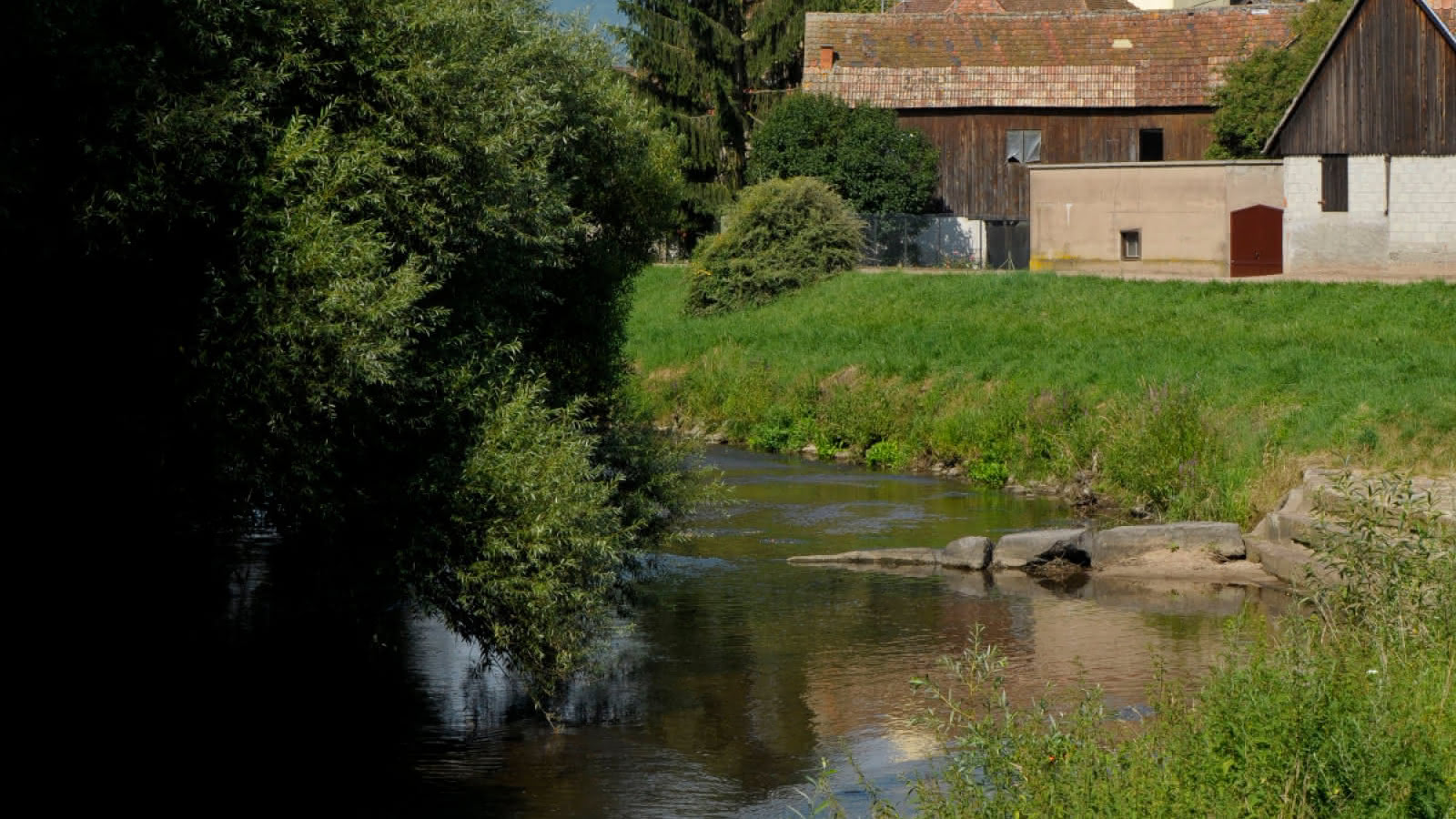
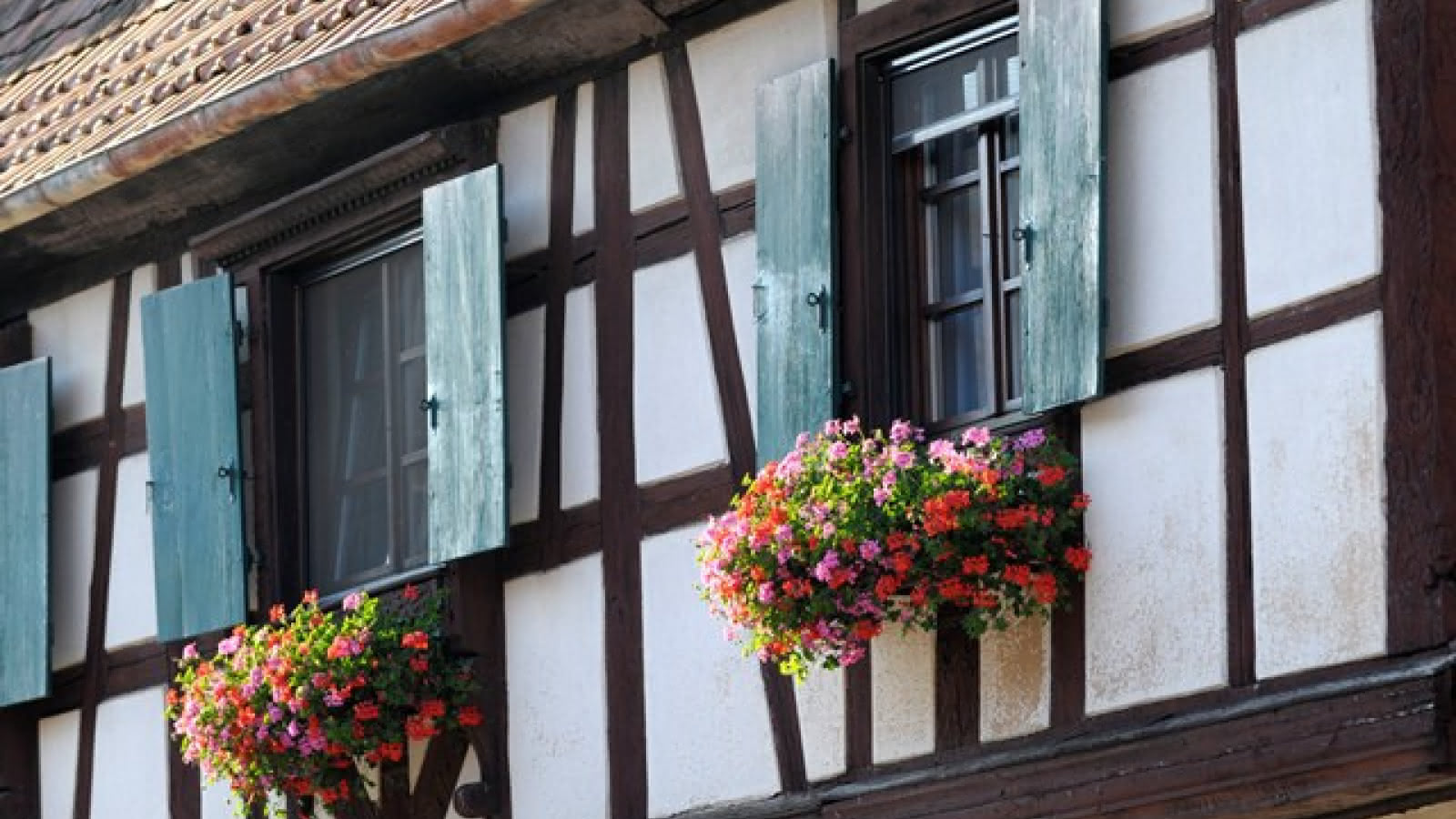
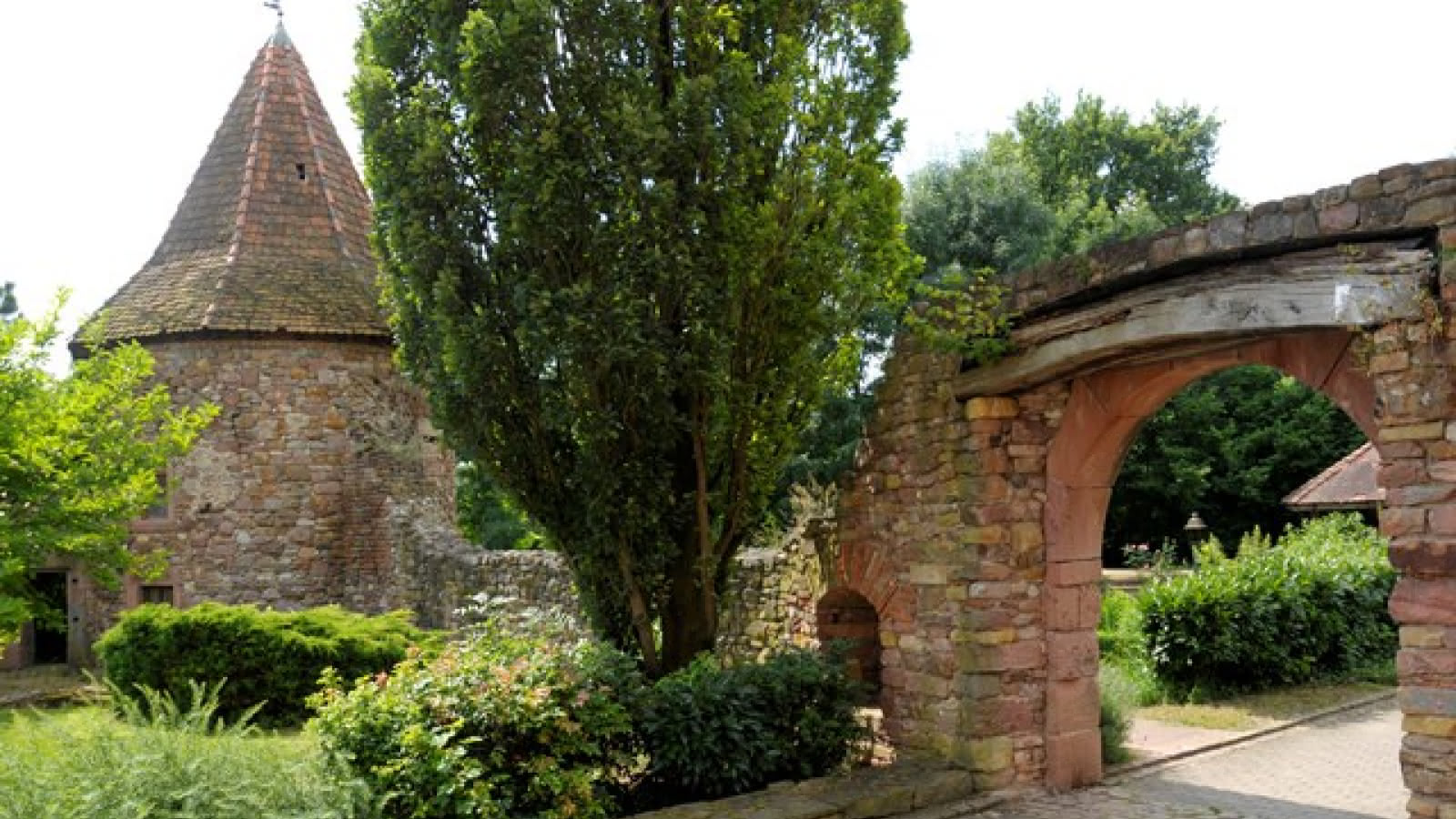
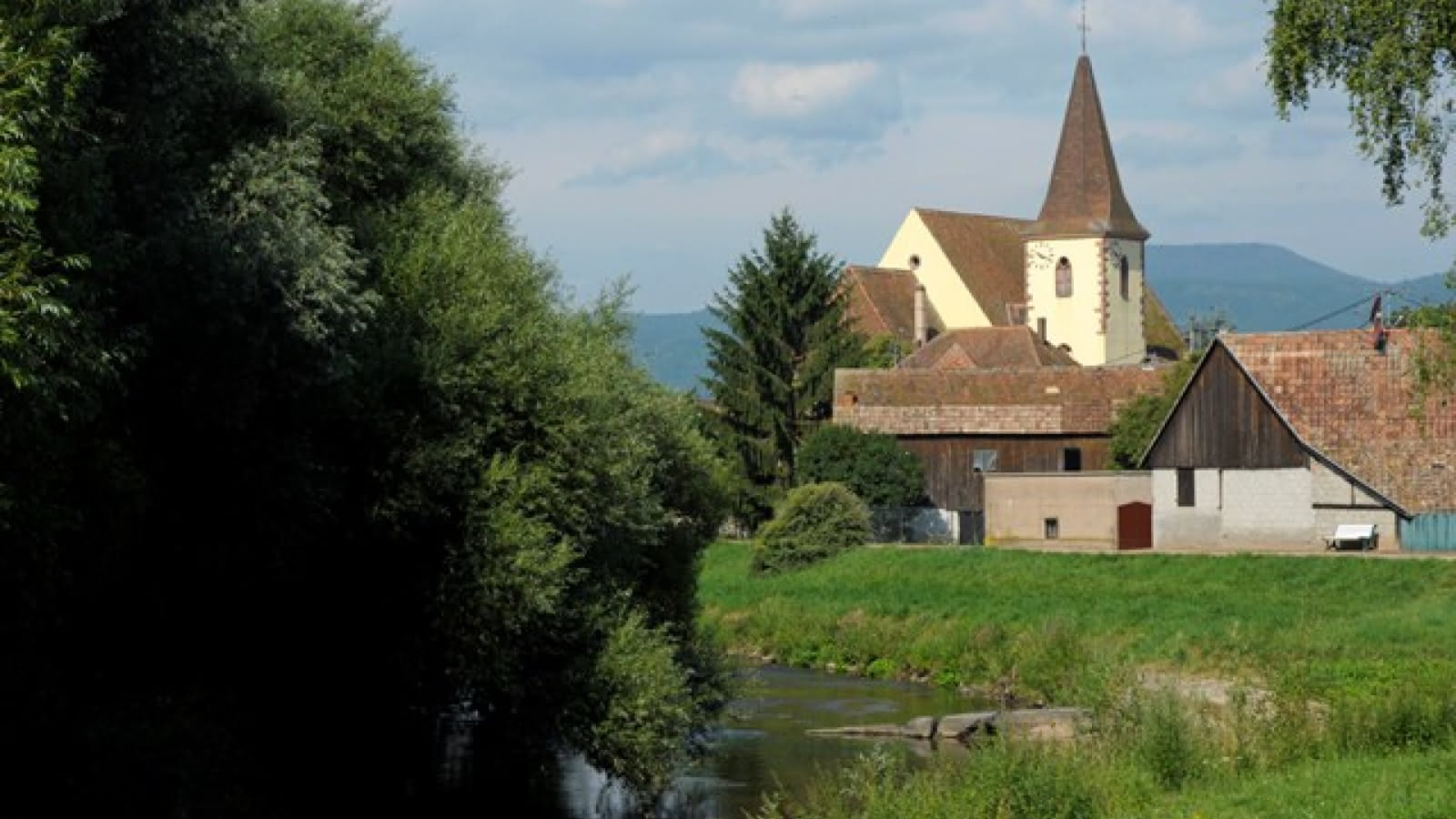
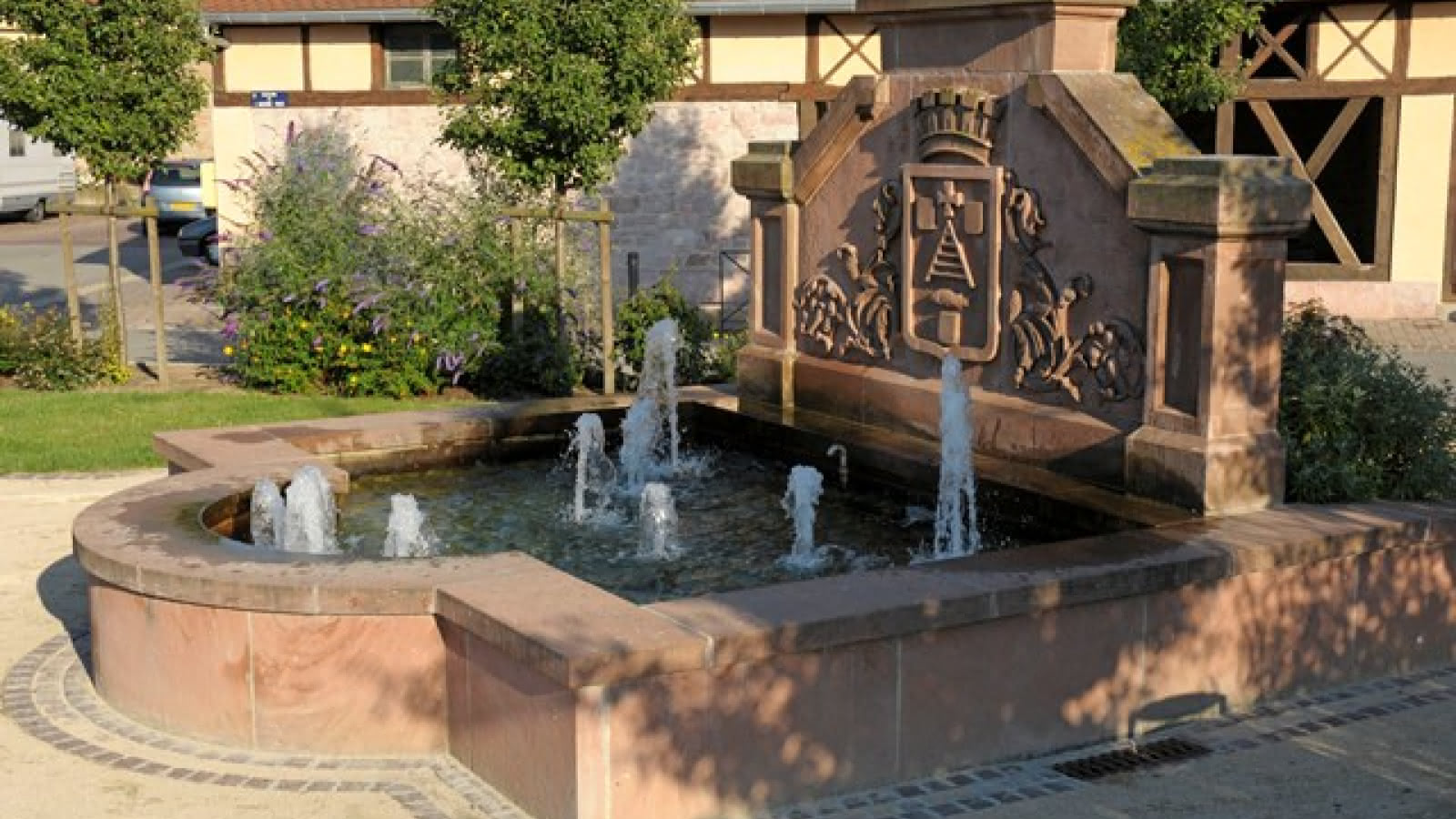
This charming village, which has been awarded three flowers, offers a peaceful and pleasant living environment. A former fishing and farming village, Guémar still features a number of masonry and half-timbered farmhouses with outbuildings (barns, stables, former tobacco drying sheds). First mentioned in 768, Guémar, then called Ghermari, comprises two parts. The older part, Ober-Gemar with its church of Saint-Denis, belongs to the priory of Lièpvre, under the abbey of Saint-Denis. The largest part, Nieder-Gemar, today's Guémar, includes the church of Saint-Léger, which belongs to the abbey of Murbach. Equipped with a port ("le Ladhof") as early as 1298, Guémar controlled the movement of goods (mainly wine and cereals) by land and water: these passed through the Fecht river to reach the Ill (as far as Strasbourg and the Rhine). In 1479, the old port became obsolete and was abandoned in favor of a new quay on the Ill, better suited to inland navigation. The Guémar boatmen then founded the village of Illhaeusern to be closer to the Ill, their place of work. They formed a separate community, but remained burghers and parishioners of Guémar until 1833. After the destruction of the Ober-Gemar church during the Thirty Years' War (1618-1648), the two parishes of Ober-Gemar and Nieder-Gemar merged to form Nieder-Gemar. Guémar's strategic location on the Fecht river and on the important "Landstrasse" passageway from Strasbourg to Colmar led to its fortification in the 14th century and its town status in 1369. For the Ribeaupierre family, who owned the town, Guémar was a site of prime importance. 70% destroyed at the end of the Second World War, Guémar, which was one of the front line's advanced bastions, recovered thanks to the exemplary courage of its inhabitants, earning it a mention in the Order of the Army Corps. The densely built-up area, enclosed within its walls until the early 20th century, expanded after the last war. The surrounding ditches have been turned into a promenade and planted with vegetable gardens forming a green belt.
Additional information
- Type of hiking trail : paved road